
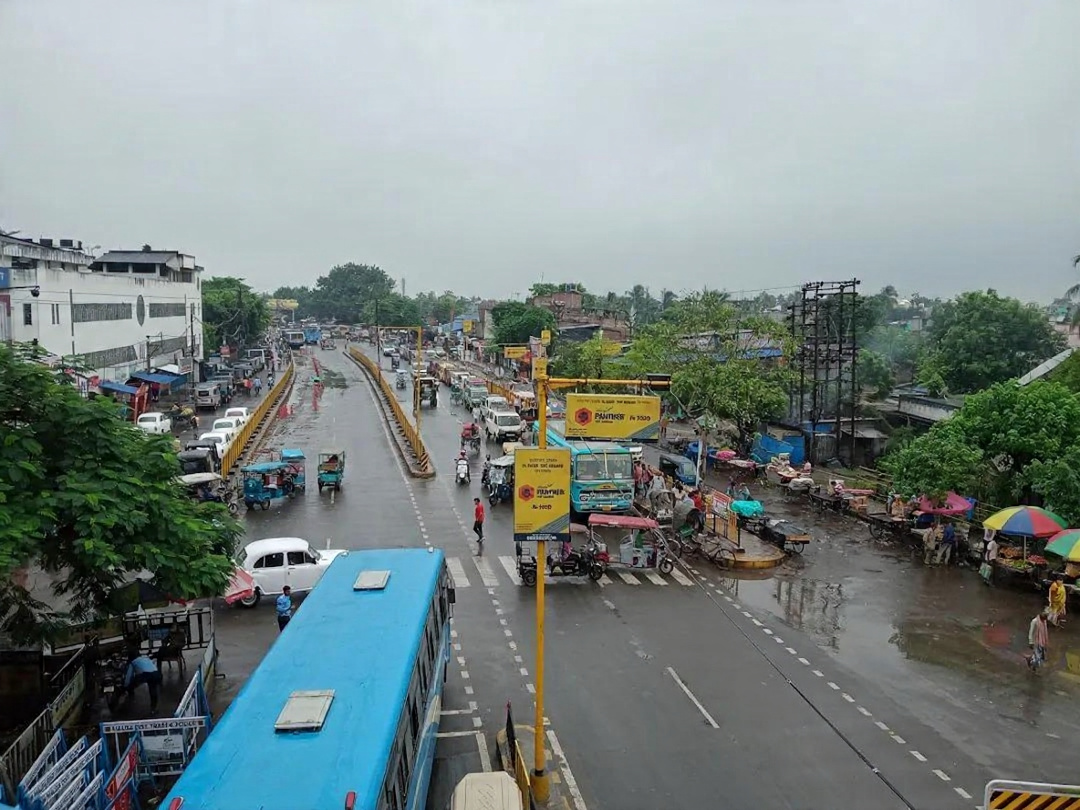
For years, Malda has been known primarily as a transit district - a place people pass through on their way to North Bengal. That perception, however, is gradually changing. In 2026, Malda is no longer just a stopover; it is steadily evolving into a region where infrastructure improvements are beginning to influence how people live, invest, and do business.
This shift is not driven by hype but by a more fundamental factor - connectivity. In real estate, connectivity often shapes demand, pricing, and long-term value.
The Infrastructure Factor: Why Connectivity Matters
The transformation in Malda is not the result of a single large project but the combined effect of multiple infrastructure upgrades. The ongoing development of National Highway 12 has improved road movement across districts, making travel more predictable and efficient.
For businesses, this translates into smoother logistics and better supply chain movement. For property buyers, it changes how distance is perceived, bringing previously overlooked areas into consideration.
At the same time, Malda Town railway station continues to function as a major rail junction in the region. Improvements in station infrastructure and passenger facilities tend to increase commercial activity in surrounding areas, further influencing local property demand.
Understanding Property Value Movement in Malda
Unlike metro cities, where property prices can rise sharply within short periods, Malda’s market follows a more measured pattern. Growth is typically steady and closely linked to infrastructure and population shifts.
Central Zones: Stability Over Speed
Areas such as English Bazar, Rathbari, and Foara More remain the most active real estate pockets. These locations benefit from established infrastructure, including markets, healthcare, and transport connectivity. Demand remains consistent, driven largely by end-users rather than speculative investors.
Expanding Areas: Emerging Potential
Peripheral locations like Mangalbari and parts of Old Malda are gradually attracting attention. These areas offer more space and relatively lower entry costs, making them suitable for plotted developments and independent housing. As connectivity improves, they may experience gradual appreciation over time.
Highway Influence: A Quiet Commercial Shift
Properties located near highway corridors are beginning to attract interest for small-scale commercial use, including storage units, roadside retail, and service-based businesses. The pattern is gradual but noticeable, as improved movement tends to encourage business activity.
Commercial Real Estate: Small Scale, Real Opportunity
Malda is not witnessing large corporate real estate expansion like metro cities, but opportunities still exist, particularly in small and mid-level investments. Local entrepreneurs are exploring retail outlets in busy areas, service businesses near transport hubs, and small warehouses supporting local trade. Lower entry costs allow investors to start with manageable risk while building long-term returns.
The Financial Side: Loans, Risk, and Smart Planning
Access to finance plays an important role in property decisions. Banks such as State Bank of India, HDFC Bank, and ICICI Bank provide home loan and business loan options in the region.
Loan approvals and interest rates are increasingly influenced by the borrower’s credit profile. Maintaining financial discipline and evaluating repayment capacity are essential before committing to a property purchase. Comparing loan options can also help secure better terms.
Investment Strategy: What Works in Malda
Malda is not a market suited for quick profits. It tends to reward patience and long-term planning. Investors should focus on properties with clear infrastructure access, prioritize usability over speculation, and consider holding assets over a longer period rather than expecting immediate returns.
The Bigger Picture: A Market in Transition
Malda in 2026 represents a market in transition. It is not yet a high-growth urban center, but it is also no longer static. Infrastructure improvements are gradually influencing how people perceive accessibility and opportunity.
For buyers and investors, this creates a window of opportunity based on timing rather than urgency. Those who understand the pace of the market are more likely to make decisions that hold value over time.
The relationship between infrastructure and property value in Malda is becoming clearer with each passing year. While the changes are gradual, they are meaningful.
For homebuyers, this means stability. For investors, it offers early positioning. For businesses, it signals emerging opportunities. Malda may not be transforming overnight, but it is steadily evolving, and such growth often proves to be sustainable in the long run.