Introduction – Where Heritage Meets Nature:
Located in the northern region of West Bengal, Malda is one of India’s most culturally rich and historically significant districts. Resting along the fertile plains where the rivers Mahananda and Kalindi flow, Malda beautifully blends the legacy of its royal past with the charm of rural Bengal. It is a place where every lane whispers stories of emperors and saints, traders and weavers, mango farmers and silk artisans. While many travelers rush toward Kolkata or Darjeeling, Malda quietly holds on to its secrets, offering experiences that are both genuine and unforgettable.
Overview – The Identity of Malda:
Malda is widely known as the “Mango City of Bengal”, producing some of the best mangoes in India. But beyond the fruit, Malda is a treasure chest of history. The ruins of Gour and Pandua stand as majestic reminders of Bengal’s golden age under the Sultanate and Mughal rulers. The town of English Bazar, once an outpost of the British East India Company, now serves as the district headquarters and the modern face of this ancient land. From centuries-old mosques to terracotta temples, from silk looms to bustling markets, Malda is a district that never stops fascinating.
Historical Roots – From Ancient Dynasties to the Sultanate Era:
The story of Malda begins thousands of years ago. Ancient texts like the Mahabharata mention this region as part of Pundravardhana, a prosperous settlement in the Gangetic plains. Later, the Pala dynasty made Malda a center of Buddhist learning, establishing monasteries and stupas that attracted scholars from faraway lands. In the 12th century, the Sena dynasty took over, promoting Hindu art and architecture. However, Malda’s most glorious era arrived with the Bengal Sultanate in the 13th century. Capitals like Pandua and Gour became the beating hearts of Islamic Bengal, filled with magnificent mosques, palaces, and gateways. The sultans of Bengal left an architectural legacy that still draws historians and travelers from across the world.
Architectural Wonders – Monuments that Speak History:
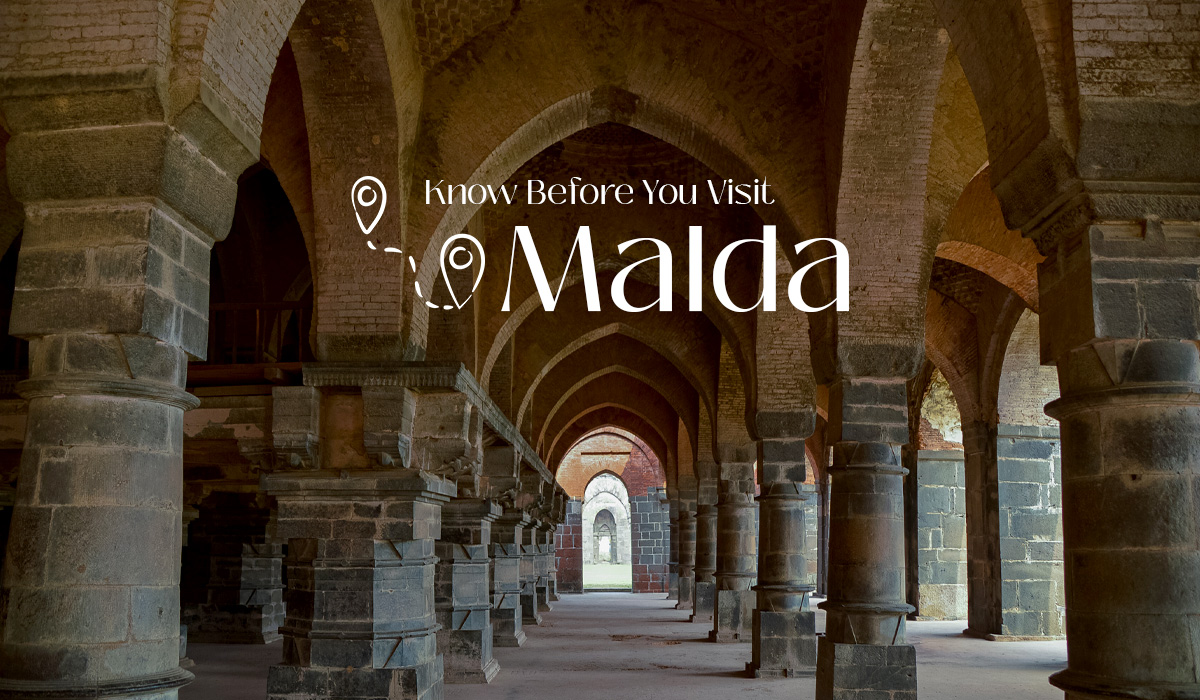
The Adina Mosque in Pandua, built in 1374 by Sultan Sikandar Shah, remains one of the largest medieval mosques in the Indian subcontinent. Its massive arches, intricate carvings, and vast courtyard reflect a blend of Persian and Bengali styles. The Eklakhi Mausoleum, another jewel of Pandua, is a simple yet beautiful brick structure that inspired Bengal’s later temple designs. In Gour, visitors can explore the Dakhil Darwaza, the towering southern gateway to the old city, or climb the Firoz Minar, a victory tower resembling the Qutub Minar of Delhi. The Baroduari Mosque, also known as the Twelve-Door Mosque, is a massive monument showcasing the grandeur of Sultanate-era Bengal. Walking among these ruins is like walking through an open-air museum — each brick holds centuries of history, yet nature has softened their edges with time.
Mughal and British Influence – The Age of Trade and Transition:
When the Mughal Empire rose, Malda continued to prosper. Emperor Humayun once called this land “Jannatabad”, meaning “City of Paradise,” owing to its lush orchards and fertile soil. The British later established trading centers here, primarily to control the silk and textile trade. The modern township of English Bazar was born out of this period and remains a bustling commercial hub even today. Under colonial rule, Malda became famous for both its mulberry silk and mango exports. The silk from Malda, known for its natural sheen and durability, once traveled as far as Europe through British traders. Even today, families in Old Malda and Kaliachak continue the age-old tradition of weaving, keeping this cultural heritage alive.
Geography – The Barind and the Tal:
The geography of Malda is as interesting as its history. The district is divided into two natural regions — the Barind Tract and the Tal region. The Barind, on the eastern side, is slightly elevated and composed of older alluvium soil, ideal for crops like pulses and jute. The Tal area, on the western side, lies near the Ganges and Mahananda rivers, forming a flat, fertile plain that often floods during monsoon but produces abundant mangoes, rice, and vegetables. This balance of geography makes Malda one of the most agriculturally productive districts in Bengal.
Agriculture and Mangoes – The Pride of Malda:
The most famous fruit from this land is undoubtedly the Fazli mango, which has earned a Geographical Indication (GI) tag for its unique flavor and size. A single Fazli can weigh up to a kilogram and is known for its rich sweetness and fiberless pulp. Other popular varieties include Langra, Himsagar, Gopalbhog, and Bombaiya. During the summer, especially between May and July, the entire district bursts into color with mango fairs, markets, and festivals. The annual Mango Mela in English Bazar draws thousands of visitors, featuring mango-based sweets, pickles, and even artwork inspired by the fruit. Mango farming here isn’t just business — it’s a family tradition passed down generations. Orchards in Gazole and Kaliachak stretch for miles, filling the air with a sweet aroma that defines Malda’s summer identity.
Silk Weaving – Threads of Tradition and Pride:
While mangoes dominate Malda’s fame, silk weaving continues to thrive as a quiet but significant part of the local economy. The Malda silk industry, centered in Old Malda and English Bazar, produces fine mulberry and tussar silk. Visiting a traditional weaving unit is a fascinating experience. The rhythmic sound of looms, the colorful threads stretched across wooden frames, and the patience of artisans reflect the deep cultural pride of the community. Malda silk saris are known for their earthy tones, natural dyes, and intricate patterns, often featuring motifs inspired by local flora and Islamic geometry. Although machine-made fabrics from other regions challenge local production, several cooperatives and government-supported workshops are reviving the craft and connecting artisans to online markets.
Food and Flavors – A Taste of Bengal’s Heart:
Food in Malda is another highlight that deserves mention. The cuisine here is simple, flavorful, and deeply rooted in the land. A typical meal features Sonali Bhog rice, dal, vegetable curries, and fish dishes prepared with mustard and local spices. The ilish maach (hilsa fish) is particularly popular along the river areas. Street food lovers can enjoy jhal muri, phuchka, and telebhaja, while dessert enthusiasts should not miss Sarpuria, Malda’s signature sweet made from cottage cheese and sugar syrup. Seasonal treats like aam shotto (dried mango leather) and khejurer gur (date palm jaggery) add a unique local flavor to the experience.
Culture and Festivals – Unity in Diversity:
Culturally, Malda is a melting pot. The population is a beautiful mix of Bengali Hindus, Muslims, and tribal communities, each contributing to the district’s traditions and celebrations. Festivals like Durga Puja, Kali Puja, and Eid are celebrated with equal enthusiasm. The Ramkeli Mela, held in June, marks the visit of Saint Chaitanya Mahaprabhu and attracts thousands of devotees who gather under ancient peepal trees to sing kirtans and share prasad. Folk performances such as Gombhira, Alkap, and Kavigan showcase Malda’s rural creativity. Gombhira, in particular, is a satirical form of music and dance where performers, wearing wooden masks, comment on social and political issues in a humorous tone. These traditions keep the cultural soul of Malda alive, connecting generations through storytelling and song.
Connectivity and Best Time to Visit:
For travelers, Malda offers a perfect mix of exploration and relaxation. The best way to reach Malda is by train, with Malda Town railway station serving as a major hub connecting Kolkata, Delhi, Guwahati, and Siliguri. The district does not yet have its own airport, but the nearest major one is Bagdogra Airport, located about 230 kilometers away, while Kolkata’s Netaji Subhas Chandra Bose International Airport lies roughly 325 kilometers south. Buses and private cars are easily available, and within the district, visitors can use auto-rickshaws, e-rickshaws, or rented cars to move between sites. The ideal time to visit is from October to March, when the weather is cool and pleasant, making it perfect for sightseeing.
Top Tourist Attractions – Exploring the Wonders of Malda:
Among the top attractions, Gour and Pandua remain the crown jewels. In Gour, apart from the Firoz Minar and Dakhil Darwaza, you’ll find the Kadam Rasul Mosque, believed to house a footprint of Prophet Muhammad, and the Lukochuri Gate, once used by royal families for games. The Chika Mosque, small yet elegant, showcases Bengal’s early Islamic architecture. In Pandua, the Adina Mosque and Eklakhi Tomb are must-see landmarks, surrounded by quiet villages and farmlands that capture rural Bengal’s simplicity. For a change of scene, travelers can visit Adina Deer Park, a peaceful spot near Pandua where deer, peacocks, and migratory birds thrive among mango groves. The Malda Museum in English Bazar is another gem that displays sculptures, coins, and pottery dating back to the Pala and Sena periods.
Local Life – People, Markets, and Simplicity:
Beyond its heritage, Malda is also a place of community and color. The weekly haats (rural markets) bustle with traders selling everything from handmade baskets to fresh mangoes. Women in bright saris bargain with cheerful energy, while children chase goats between stalls. The simplicity of daily life here feels refreshing in a world of fast-paced cities.
Eco-Tourism and Nature – The Green Side of Malda:
In recent years, Malda has also started promoting eco-tourism. Places like Adina Park and the Mahananda Riverbanks are being developed for nature walks, boating, and sustainable tourism. The Barind Plateau, with its red soil and scattered ancient sites, is slowly emerging as an offbeat hiking and archaeological zone. Birdwatchers can spot kingfishers, herons, and parakeets near water bodies, especially during winter when migratory species arrive.
Shopping and Local Crafts – Handcrafted Heritage:
When it comes to shopping, Malda offers authentic crafts that reflect its heritage. The silk scarves, mango-based products, and terracotta art pieces make for meaningful souvenirs. Buying directly from local artisans not only supports livelihoods but also preserves centuries-old craftsmanship.
Safety and Hospitality – Warm People, Safe Destination:
Safety and hospitality are two of Malda’s strongest assets. The locals are warm, polite, and always eager to help visitors. Crime rates are low, and solo travelers often find it easy to navigate. Still, basic precautions like avoiding late-night travel in remote areas are recommended. Health facilities are decent in English Bazar, and small clinics operate in rural zones.
Conclusion – The Soul of Bengal Lives in Malda:
To sum up, Malda is not merely a place to visit; it is a journey through time. From the ruins of Gour to the aroma of fresh Fazli mangoes, from the rhythmic clatter of silk looms to the chants of evening prayers, everything about Malda feels authentic and soulful. It’s a district that captures Bengal’s true essence — history, culture, craftsmanship, and kindness. For travelers seeking something beyond typical tourist circuits, Malda offers a deeply rewarding experience. It invites you to slow down, explore at your own pace, and connect with a land that still breathes its heritage.
Final Note – Why You Must Visit Malda Once in Your Lifetime:
So, the next time you plan a trip to West Bengal, skip the obvious and choose the extraordinary. Visit Malda, walk through its ancient ruins, savor its mangoes, meet its artisans, and feel the heartbeat of Bengal’s living history. Malda is not just a destination — it’s a story that continues to unfold, one traveler at a time.